
WordPress for a Hotel Site – Yes or No? My Experience
Table of Contents
Have you ever wondered about whether a WordPress hotel website is a fitting option for your hospitality business? Chances are, you’ve probably seen every other article talk about how “useful” or “feature-rich” such sites are. But what does it actually mean? Besides, do WordPress plugins for a hotel site really make such a big difference? Today, I decided to take a deeper look at that, but not just by answering these questions. As a blog author about WordPress themes and plugins with over 5 years of experience, I’ll share my own opinion and tell you more about the benefits, pros, and cons of WordPress for hotel industry websites (and believe me, there are enough of both). Let’s get started!
My Experience with WordPress
 As a blog author for MotoPress and previously for Zemez, I spend quite a lot of time using and testing WordPress plugins and themes. Hotel booking tools, such as Lodgify, BNBForms, Smoobu, and other solutions, are also part of my interest. Even when I’m not writing professionally about the world’s top CMS, I still use WordPress for my own projects beyond blogging. Recently, I’ve also been writing about web builders (Framer, Wix, Squarespace, and the like) rather than just WordPress. So obviously, with such a vast range of hotel booking interests, written articles, and seen plugins and themes, I can share quite a lot of observations, benefits, and disadvantages when it comes to hotel booking tools, for example:
- Not every property needs a booking engine: If you run a small hotel or a guesthouse, chances are you can benefit from a simple booking request form instead of an expensive PMS.
- Direct bookings are always a priority: All vacation rentals I’ve seen benefit from direct bookings in ways that OTAs can’t match, such as no commission fees and greater trustworthiness.
- Website speed affects conversions: No one wants to use a website that’s laggy and takes a lifetime to load. This is true for any business, but especially for hotels, where strong performance means higher conversion rates and guaranteed bookings.
- Ease of use often matters more than features: If your site isn’t easy to use, it won’t matter what cutting-edge features it has. I’d recommend paying attention to intuitive design first before you commit to adding features that make you stand out.
- Integrations are increasingly important: Since there are many third-party platforms you probably want to sync with, I advise looking for plugins and apps that provide integrations, such as Stripe. Still, don’t chase those integrations you don’t need, but concentrate on what you’re actually planning to use.
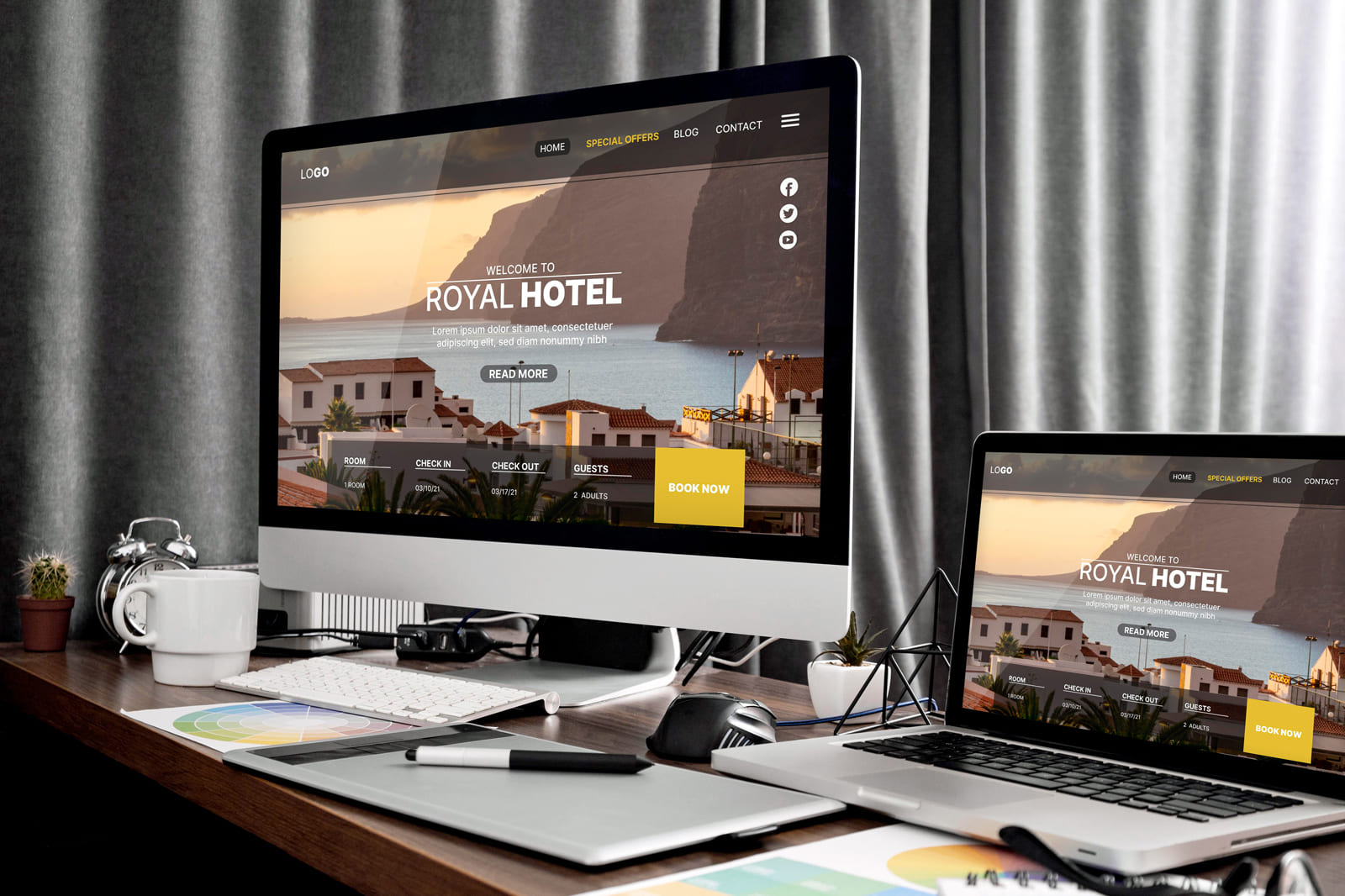 While I find WordPress quite easy to work with for personal websites, when it comes to hotel websites, people tend to lean towards tools that sync bookings or even work separately. In this case, you just get a neatly looking booking form, and that’s it. No built-in property management tools, no easy way to add something you like or change what your guests see. That’s exactly where WordPress shines, as it is a perfect pick for nearly any site nowadays, including vacation rentals and hotels. But like with any platform, there are certain pros and cons to using it. Depending on what you expect, WordPress hotel website may impress or disappoint you. Let’s dive deeper into this CMS and learn why you should or shouldn’t choose it for your website.
Who Normally Chooses WordPress for a Hotel Site?
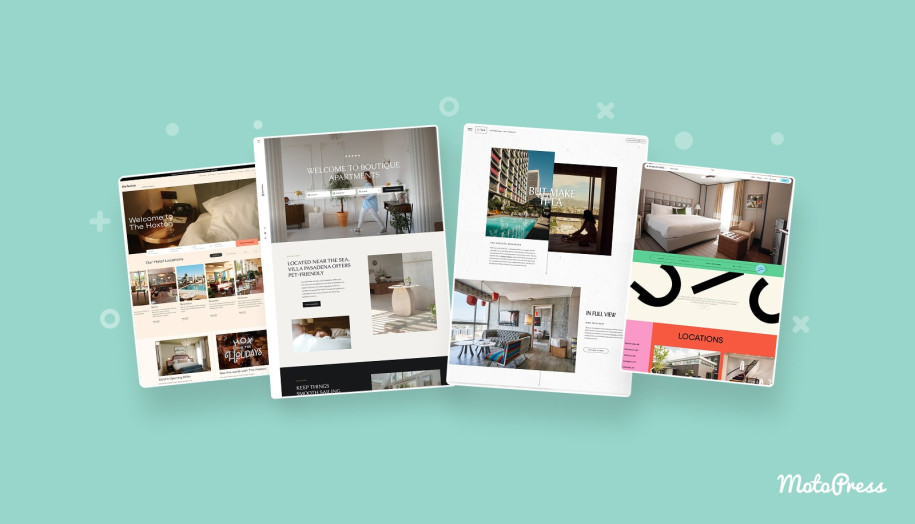
 WordPress comes in a variety of shapes if we are talking about designs and sets of features you get as a website owner. But how often do people usually build hotel sites on WP? Isn’t it easier to just order a custom site or simply trust platforms like Booking.com or Airbnb? In most cases, using something that is already established is definitely easier. But it’s not always fitting for each and every hotel. Besides, using a site that basically is a catalog of other properties and not just yours won’t help you stand out the way you want. That’s exactly why many owners of small B&Bs and hotels go for WordPress. Certainly, this isn’t the only reason.
As a CMS, WordPress allows you to create sites of all sizes and levels of complexity, from landing pages to something even a hotel chain can use.
Quite often, I’ve seen independent property owners rather than famous hotel brands creating great WordPress hotel website examples by themselves simply because themes and plugins for that are accessible and not too expensive.
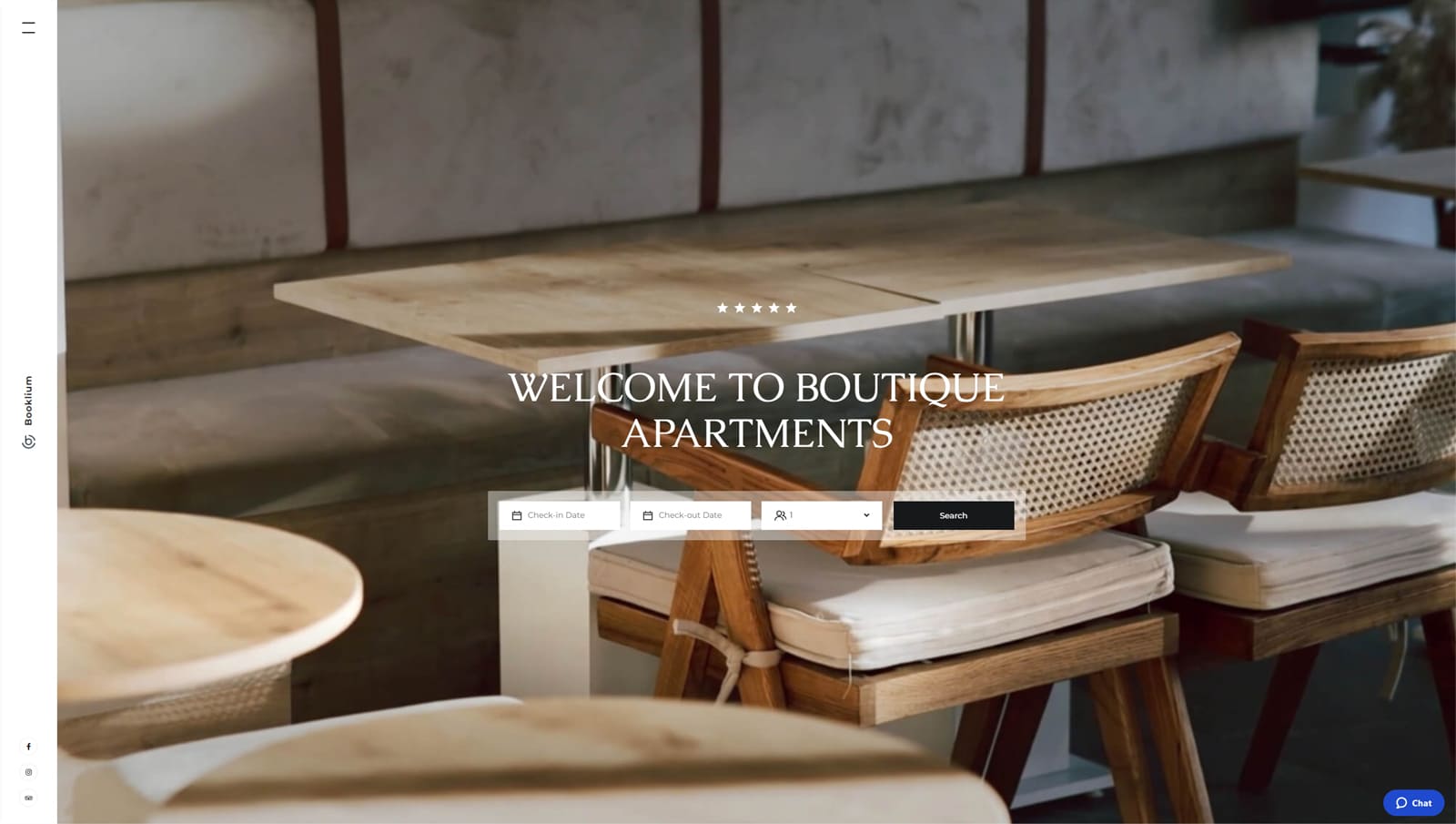 Add builder plugins like Elementor or Brizy to the mix, and you get a fully unique hotel website without even hiring a coding expert or learning all those PHP and JavaScript tricks. Really, all you need to create a site is web hosting, a domain, free installation of WordPress, and a fitting theme (for example, the Booklium rental property theme for WordPress hotel sites).
Here are the properties that usually choose a WordPress website instead of having something custom and expensive:
- Boutique hotels;
- Bed and breakfasts and guest houses;
- Tiny homes;
- Campgrounds and RV parks;
- Hostels;
- Vacation rentals and villas;
- Resorts and lodges.

Is WordPress Actually Capable of Meeting the Needs of Real Rental Businesses?
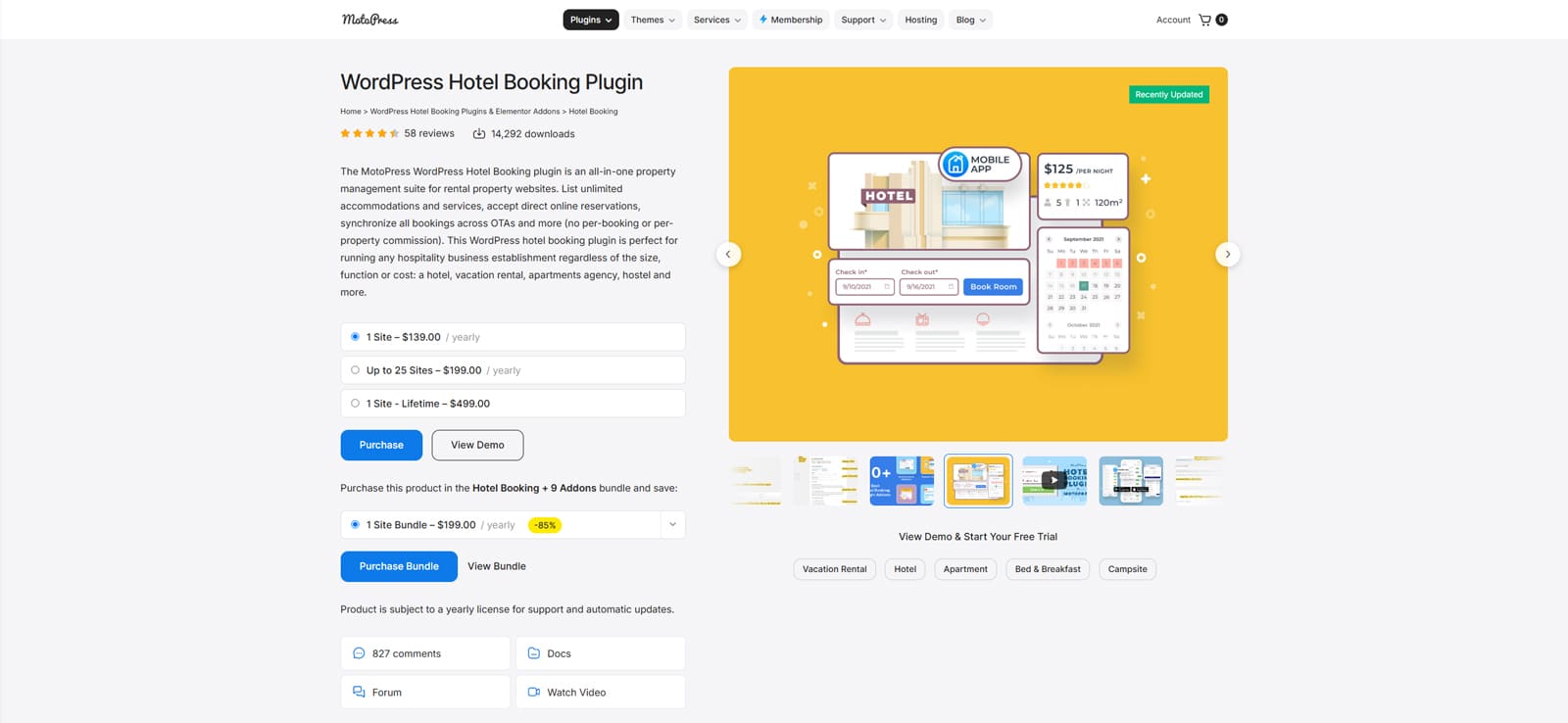 Real rental businesses are often among the key customers of WordPress plugins for a hotel site and vacation rentals. Indeed, quite a lot of plugins I worked with, such as MotoPress Hotel Booking. Whether they actually are meeting the needs of your hotel depends on the plugin itself and what you need. In most cases, though, these and other plugins deliver what’s asked for. For example, when using Hotel Booking, you get:
- Mobile-friendly accommodation search form;
- Real-time availability calendar;
- Dynamic seasonal pricing;
- Integrations with secure online payment gateways;
- Synchronization to third-party platforms like Vrbo;
- Property management dashboard.
There are a lot of perks and tools these plugins have, and it’s not just for direct booking. With tools like those I mentioned above, you can control prices, services you allow to book, and sync reservations between Airbnb or other online travel agencies and your WordPress hotel website. They also allow you to change rates dynamically. A good example of that is the above-mentioned WordPress Hotel Booking plugin that can manage rates dynamically on its own and with the PriceLabs integration. The possibilities are nearly endless, but they are defined by what’s currently a must in your business. Don’t forget that the hospitality industry is always changing, and this means plugins are changing too. For example, they provide you with more integrations with other platforms like Zapier, introduce safe online payments, and a lot more to drive your hotel to success.
Is it Really Cheaper to Use WordPress for a Hotel Site?
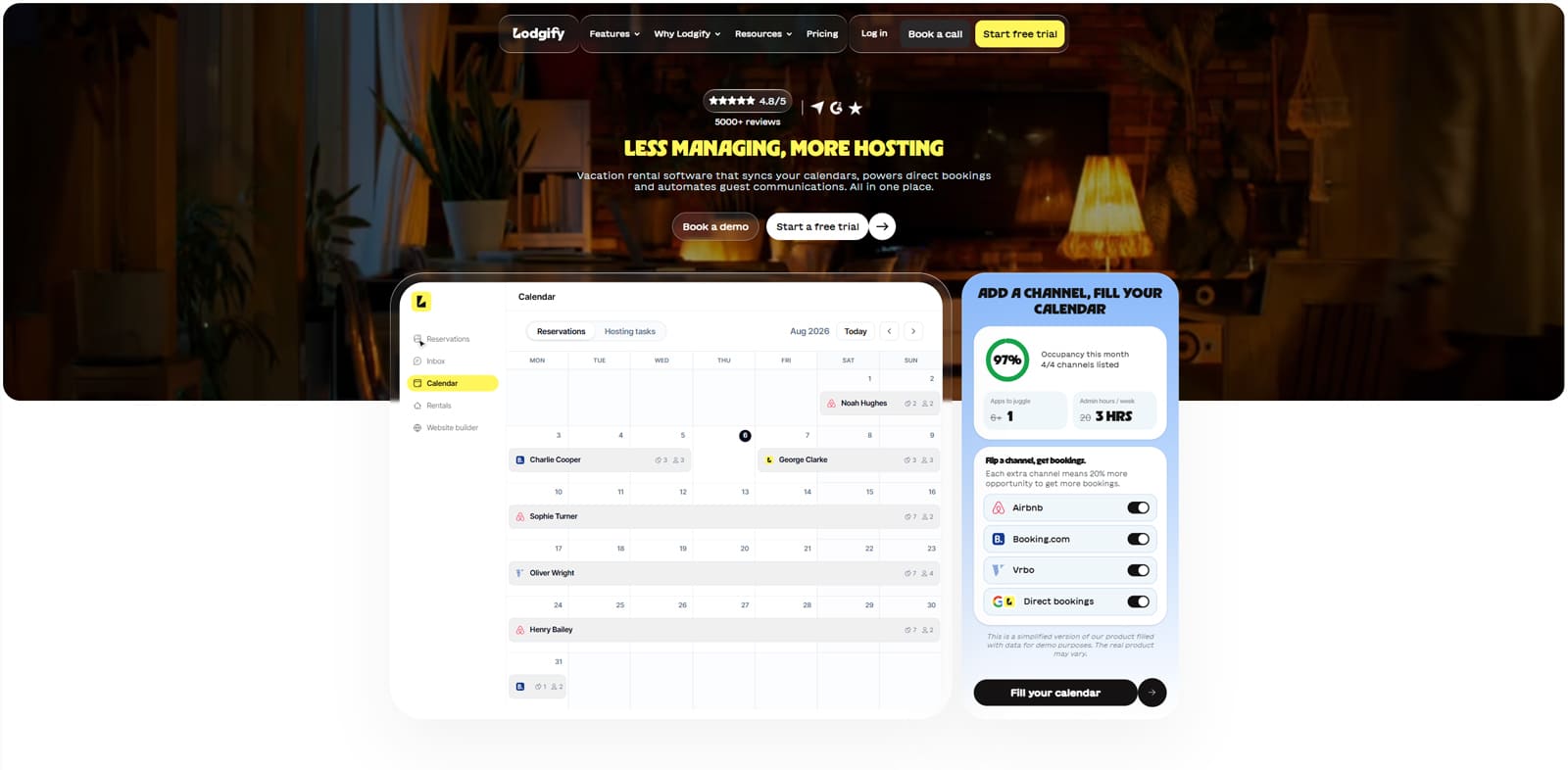 Of course! I often choose WordPress not just for its customization potential but also because of how easy it is to access various parts of your site without having to rely on distant customer support. This saves you money you can spend on your hotel, marketing, and other key areas you want to improve. However, when you rely just on SaaS-based platforms like Lodgify or OwnerRez, you spend more time and money. Moreover, you can’t change every element of it to match the needs and expectations of your guests. This makes third-party online booking tools difficult to handle and also expensive.
What Top Features Did I See on WordPress Hotel Sites?
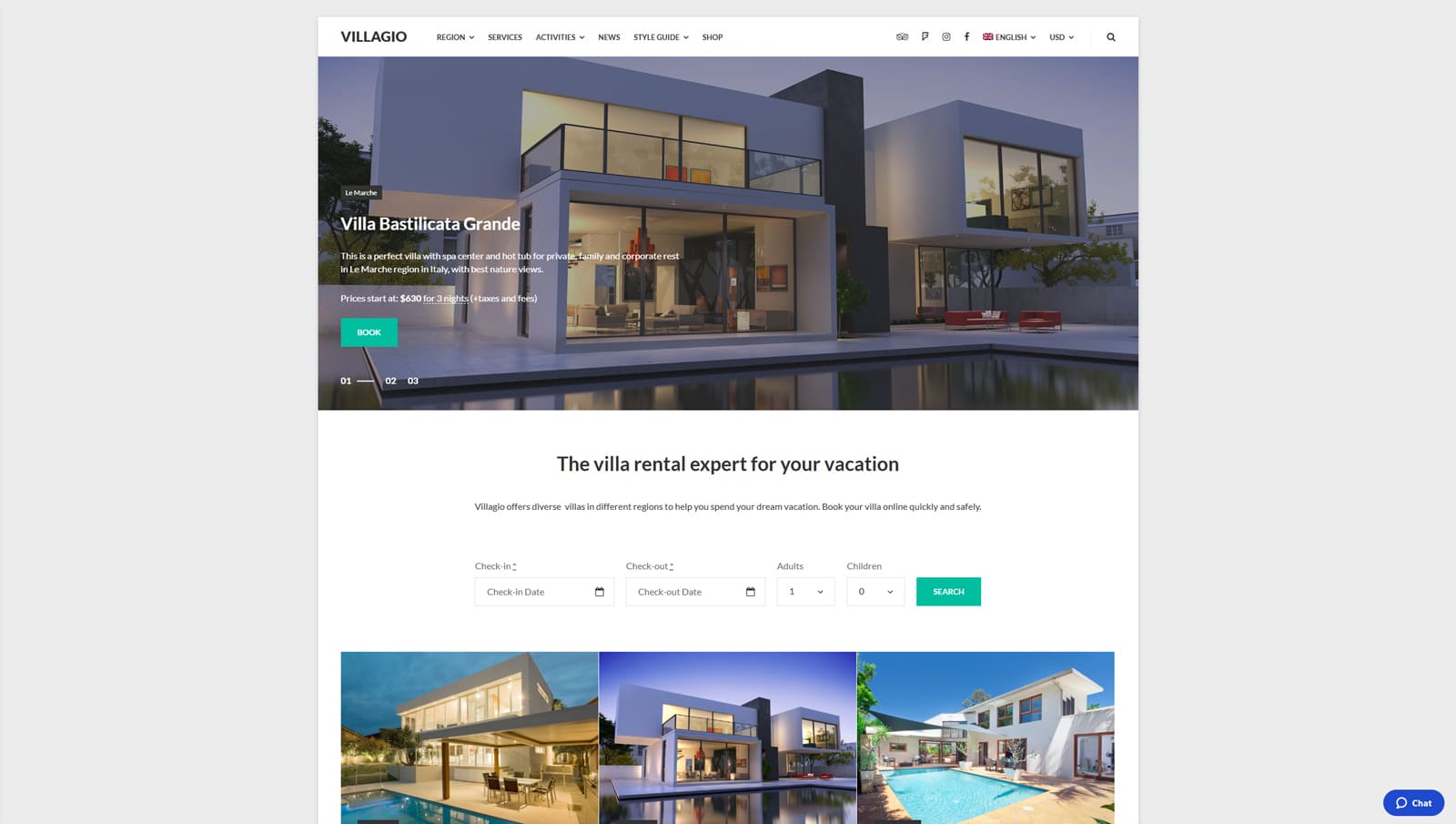 I like how each WordPress hotel website is somewhat unique, even if it uses a pre-made theme as a basis. For example, you can easily use a premium theme, such as Villagio or Oceanica, but you don’t have to leave it as is and can easily customize anything you want. This is especially true for hotel websites that not only vary in design but also in functionality. Still, most sites in this category happen to have quite a lot of common features. Here is the selection of my personal favorites and those I find impossible to run your hotel website without:
- Online booking system;
- Room listings;
- Channel management;
- Trustworthy reviews;
- Photo gallery.
Online booking system
 This one is the absolute must-have for any hotel business owner. Usually available through plugins (unless you’re into developing something really custom), booking systems make it quite easy for your guests to find and reserve a room, and even pay for it. It also works well if you rent out small properties. For example, if you use a tool like MotoPress Hotel Booking WordPress plugin, you can integrate a mobile-ready form for accommodation search with optional extra fields for amenities, additional search filters, and more. There are also other benefits such a system has:
- 24/7 online direct bookings;
- Real-time calendar for tracking room availability
- Secure online payment support;
- Automatic & manual booking confirmations;
- Optional extra services.
Property pages & room listings
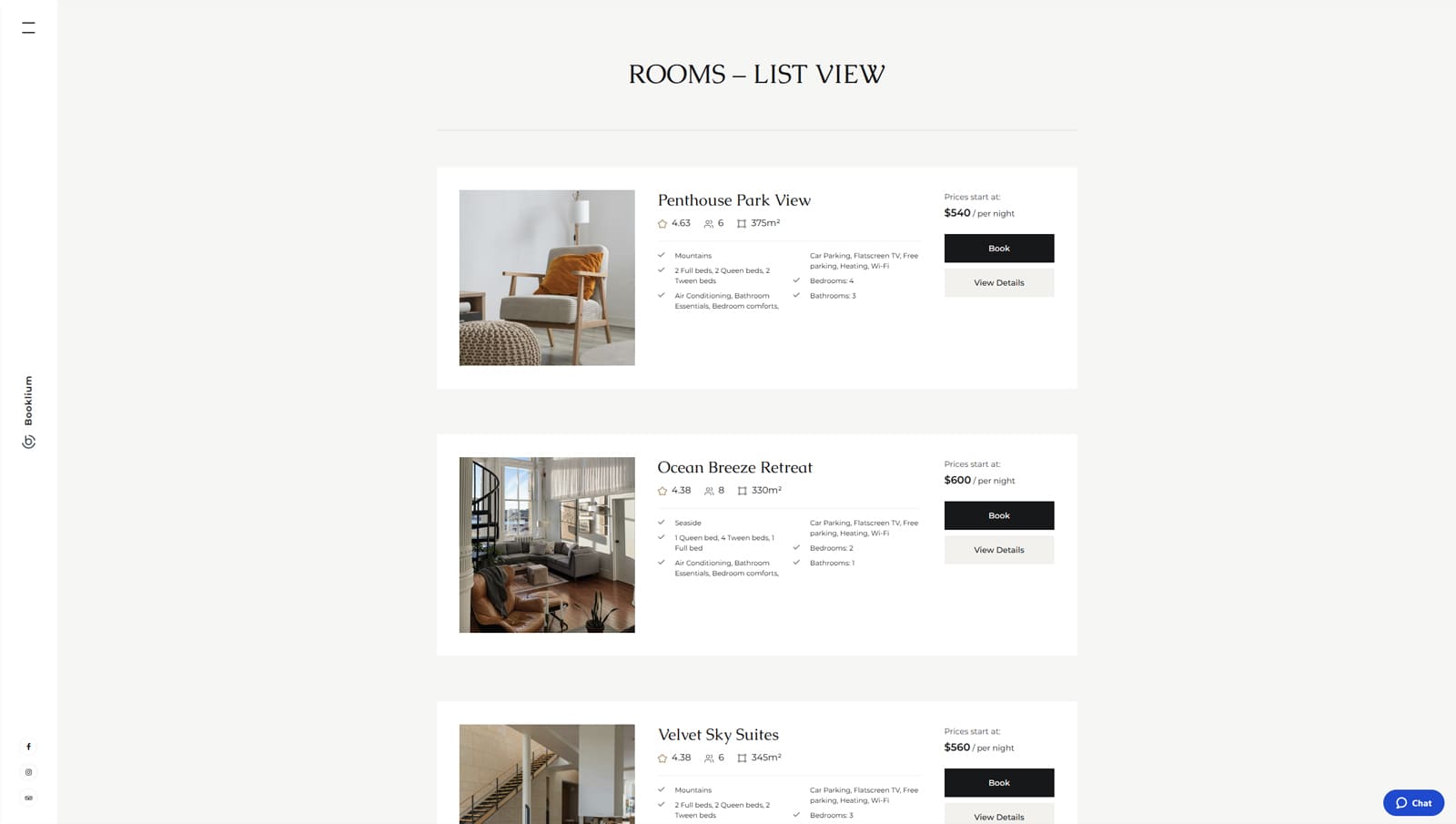 Any hotel site, whether WordPress or not, needs to present accommodation options so that guests actually get interested in them. That’s what room listings are for. Again, if you not just offer rooms but rather rental properties like guesthouses, you can just present them instead of rooms. The best way to do it is to have a dedicated page for each (room or property), describing its benefits and amenities, adding relevant reviews, and including a gallery with photos and videos. Also, don’t forget about a booking form with an availability calendar so that your clients know if it’s available or not. Besides, your clients will definitely appreciate if you include this data on each room page:
- Quality photos and videos;
- Information about amenities;
- Guest reviews and ratings;
- Detailed room descriptions;
- Booking buttons.
Channel manager
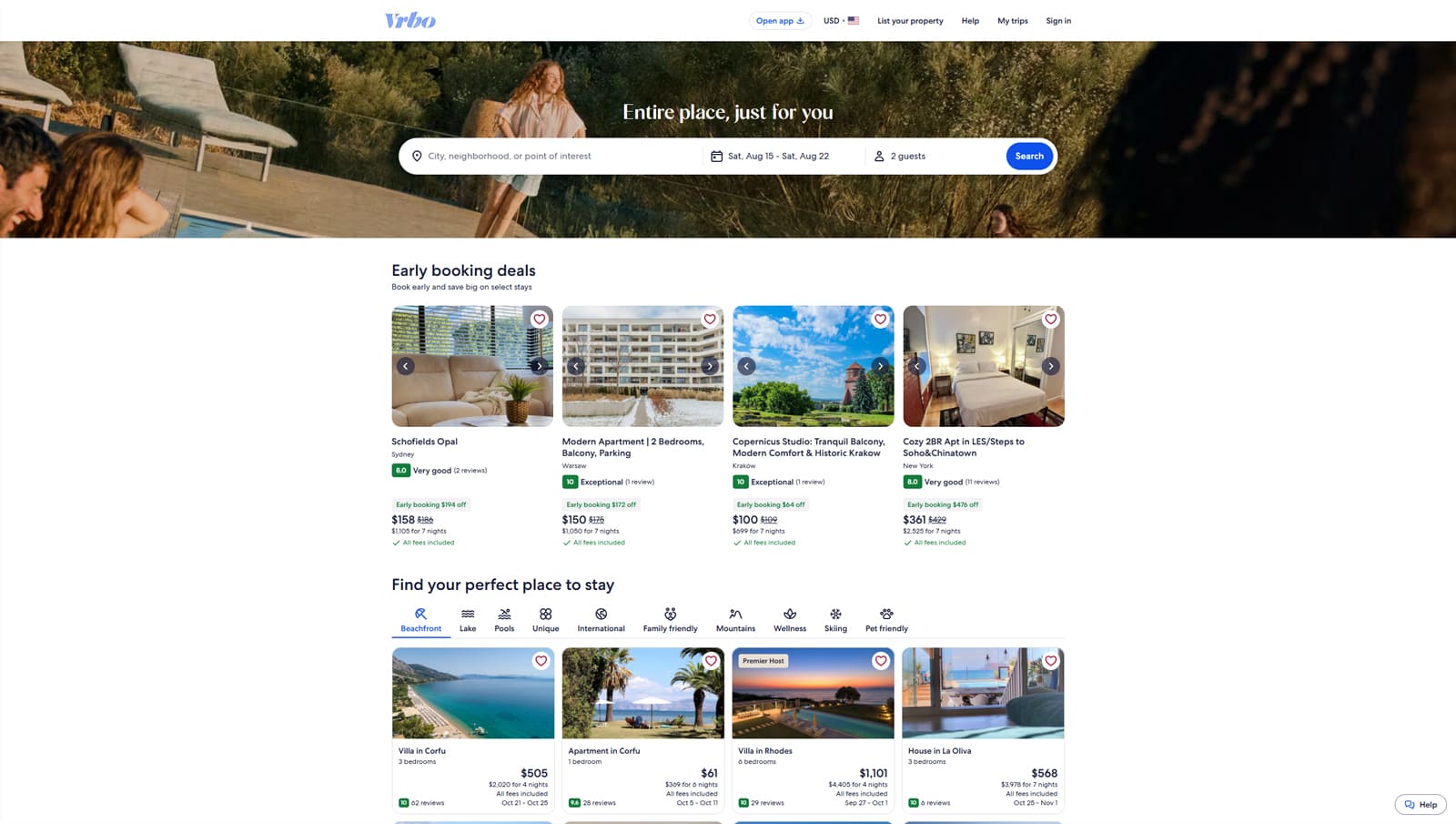 The more vacation rental and WordPress hotel website examples I visit, the more it is clear how channel managers actually simplify the lives of hotel owners and property managers. Instead of having your head full of worries when it comes to multiple OTAs like Airbnb, Booking.com, or VRBO, you can simply avoid it all and sync them with your site instead. This feature is pretty common already, but it saves lots of time, especially if you’re all about direct booking via your WP website rather than a third-party platform that may also take fees, making you lose precious money you could spend on improving your property.
Reviews
 There isn’t a WordPress vacation rental site without a well-made reviews section. The same could obviously be said about any client-oriented business, but for hotels, it’s especially vital. Through reviews, you can either attract or repel new guests, and it’s always better to do the former. Luckily, many WordPress themes already have plugins or at least a content section to help you manage it. Additionally, you can simply integrate Google Reviews or feedback from online travel agencies to show actual opinions about your hotel. This helps you to:
- Build trust with new visitors;
- Advertise authentic guest experiences;
- Increase booking conversions;
- Highlight strong points of your hotel;
- Improve your online reputation.
Photo gallery & blog
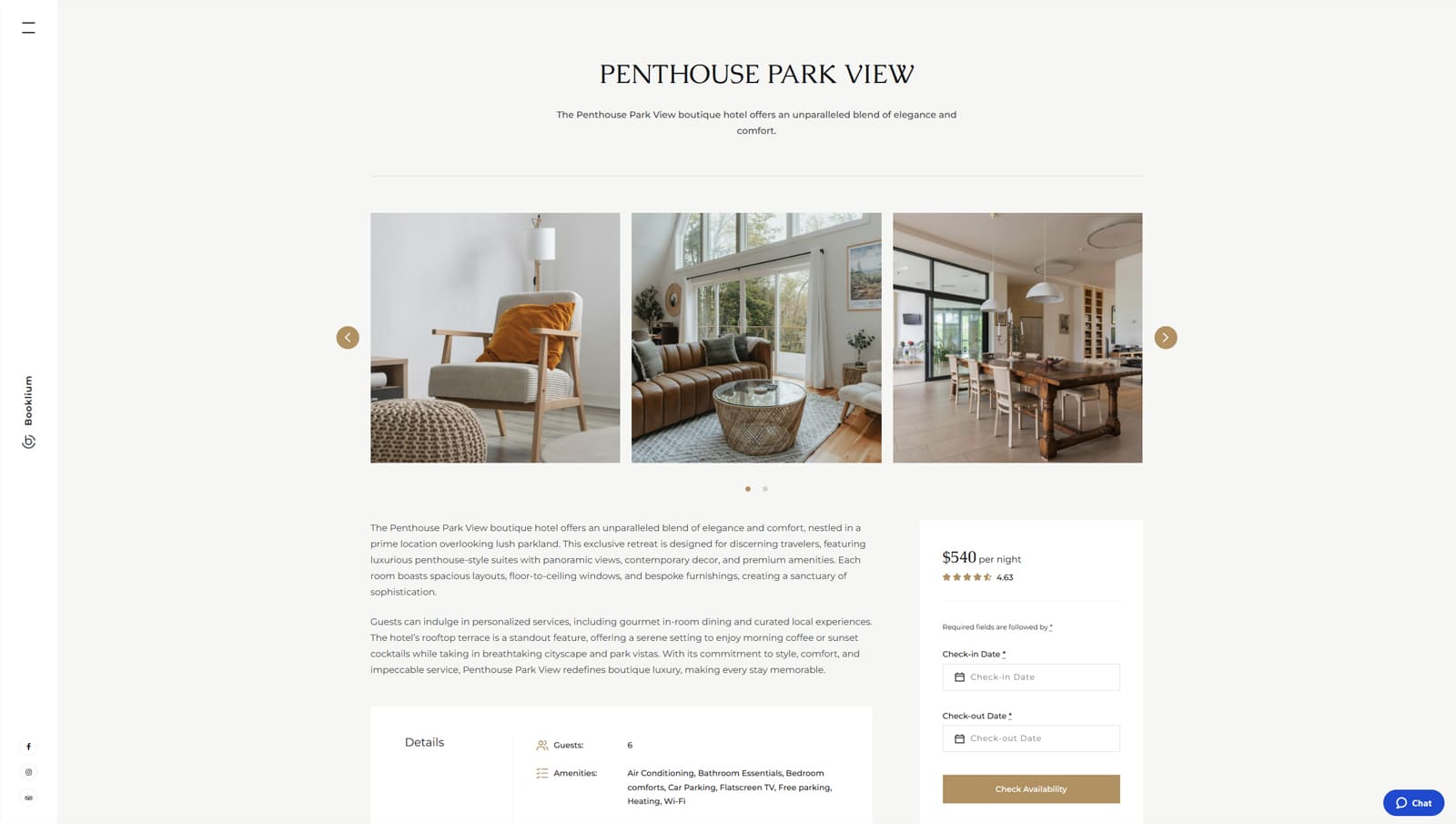 Lastly, all WordPress hotel website options are about content, especially when it comes to hotels. Even if you own a small hotel, you just can’t avoid sharing shots of its rooms, exterior, events, and literally anything your hospitality business is good at. Besides, with WordPress being centered around a blog by default, I also recommend integrating its functionality into your hotel website. It’s not only good for sharing all kinds of news or specials, but it can also be useful for publishing various tips for travelers interested in local events or places to see around your hotel.

Top WordPress Pros for Hotel Sites
 As you see, WordPress has its benefits when it comes to building websites, and it’s not just themes and WordPress plugins for a hotel site. But what about the pros and cons of hotel websites? If you’ve never worked with WordPress before but have at least heard something about it, it is totally fine to be concerned about whether or not it can be really suitable for your hotel or WordPress vacation rental site. Let’s look at the most popular advantages first, with a short explanation of each benefit you get for your hospitality business:
- Easy content management;
- Cost-effectiveness;
- Plugin ecosystem;
- Search engine optimization;
- Scalability.
Easy content management
 This is probably one of the main advantages of any WordPress hotel website you may want to build. Since WP is a content management system, it is a perfect choice for anything regarding images, articles, videos, and nearly any type of content you want to publish online. By default, this CMS is a go-to blog solution, but it can do way more than just that by simply letting you control every content publishing aspect on every page. When used for a hotel website, WordPress can help you build and manage:
- Room descriptions and pages for amenities;
- Photo and video galleries;
- Blog posts and local guides;
- Seasonal offers and promotional pages;
- Contact information and FAQs.
Cost effectiveness
 Personally, this is one of the top perks WordPress has. This platform was one of the first ones that offered incredible website development tools for free, and that’s what attracted me the most after working with paid web development software. While not all plugins and themes it supports are free, you can save a lot on creating something unique without having to pay a third party and getting what you need in the end. Here are some of the extra benefits I value a lot in WordPress:
- Affordable hosting options;
- Free core CMS software;
- No recurring platform licensing fees;
- Lower development costs than custom websites.
Plugin ecosystem
 Talking about plugins, I just can’t avoid mentioning the immense catalog of these really useful additions to WordPress. Hotel site owners also get treated to a bunch of these, as there are a variety of booking and reservation plugins that support accommodation management, online payments, direct bookings, etc. Even MotoPress has something to offer in this category of free plugins – Hotel Booking Lite, a plugin built to meet the essentials of your hotel business.
SEO
 Obviously, there’s no way to build a WordPress hotel website and not take care of search engine optimization. Luckily, WordPress is also built for that. For example, you can use tools like AIOSEO or Yoast SEO. For example, I use the latter in every article I work on to make sure all content is SEO-ready. You can do the same but for your WordPress rental site, making sure each page and heading, as well as meta titles and descriptions, fit your ideas and WordPress hotel site SEO requirements. Search engine optimization plugins built for WordPress can also take care of:
- Custom meta titles and descriptions;
- SEO-friendly URLs;
- XML sitemaps;
- Schema markup for hotels.
Scalability
As your hotel grows, so does your WordPress hotel website. This is natural, and that’s where WordPress excels, too. It can easily handle your site, transforming it from a landing page to a multipage project as well as adding more content or functionality. Sure, you may spend some more time on optimizing it all and making sure everything still works smoothly. Still, thanks to a community, even if you get stuck underway, you can always get practical and quick help.
WordPress Cons for Hotel Sites
 Surely, WordPress can boast of all these and some extra benefits for hotel websites. But is it really that perfect? Unfortunately, it isn’t. Like any modern system for web development, it has its flaws that mainly lie in needing regular maintenance, updates, and managing content, especially if you run your website personally, as I do. Besides, it may not be very fitting if you don’t have time to learn how its plugins and WordPress hotel themes work, and you’d be better off with something ready-made just for your needs. To my mind, the following cons can prevent you from choosing WordPress:
- Low flexibility for custom projects;
- Steep learning curve;
- Need for regular maintenance;
- Backup;
- Security risks.
Limited flexibility for custom-built projects
While creating a long-lasting online presence with WordPress hotel themes is easy enough, sometimes you may want to build a truly unique experience for your clients. In this case, it is more fitting to start from scratch or even hire a web development studio to do the job. For that reason, many websites for large hotels, such as Hilton or Marriott International, are custom-built, and not just design-wise. Renowned hospitality businesses use custom software for booking management integrated into a website, while others rely on SaaS-powered solutions. Additionally, if you decide to turn to professionals for help, they will likely pick the appropriate platform for you to build the website with. This may or may not be a WordPress hotel website in the end, depending on the agency you are going to work with. Besides, WordPress may not be the best choice if you plan to make any of the following a part of your site:
- Proprietary booking workflows;
- Advanced PMS or CRM integrations;
- Highly specialized guest experiences;
- Enterprise-level custom functionality.
Learning curve
 This is probably one of those cons that can also be an advantage, but only if you’re willing to learn and have a lot of time, like I had when I got started with WordPress rental site designs. To make sure you really control your website and know how to customize it, it is highly recommended to get acquainted with the CMS first. Besides, I recommend spending some time on the new plugins for activities and booking management as well as the desired theme to discover how they work. This way, you won’t have any trouble with direct bookings, sharing tips for your guests, improving your site’s content, and managing accommodation rates. Still, if you intend to make WordPress a part of your website, I really recommend spending some time learning how to:
- Customize the chosen theme for your hotel site;
- Navigate the WordPress dashboard;
- Configure booking plugins;
- Manage pages and blog posts.
Regular maintenance
 In case you are actually ready to spend time and learn how your site works, you need to spend quite some time getting to know how to maintain your website. For many products, such as plugins or themes, maintaining them means updating them. Luckily, most premium products are updated automatically. This is also true for the WordPress Hotel Booking plugin, which gets regular updates for all its versions. However, in some cases, you may need professional help from the technical support team, which is mostly suitable for premium plugins and WordPress hotel themes. In case you use free products for your WordPress hotel website (such as Albatross WordPress theme for hotels), then your best friend is the WordPress community forum and related resources (Reddit, Facebook, etc).
Backup
 If you decide to run a hotel website on your own, you should also be ready to commit to regular backup procedures. These are essential for your site to run properly and deliver bookings and information about your room availability on time. As you may have guessed, there are plugins to help you with that. They simplify backing up your site but still require proper configuration and monitoring. With the right approach to this part of running your site, you won’t run into any challenges, server failures, or, most importantly, data loss. Avoiding it can not just benefit your site but also your hotel business reputation. Backups cover a vast range of measures and tools, including:
- Automatic scheduled backups;
- Off-site or cloud storage;
- Database backups;
- Media file backups;
- One-click restore options.
Security risks
 As an open-source and highly popular solution, WordPress is known to be a common target for cyberattacks. For example, if you don’t update your WordPress installation, plugins, and WordPress hotel themes regularly, don’t be surprised if one day your site gets attacked. Hotel businesses, however, can avoid this by using strong passwords on their WordPress hotel website installations, security plugins like Wordfence, adding 2FA (two-factor authentication), and monitoring their websites regularly.
Conclusion
That’s my take on WordPress as a basis for your hotel booking website. As you see, there are quite a lot of awesome perks it has, which makes it my platform of choice. Be it a WordPress hotel website or any other kind, this CMS handles anything quite well, giving you access to a stable ecosystem for building a website. Unlike other platforms, such as Wix, Framer, or GoDaddy, WordPress is backed by years of developmental achievements and is simply the top choice if you need more than just documentation. Its community is quite active and is always ready to help with any problem you might have. It is also quite obvious that WordPress is a great tool for building a business website, which includes more than just hotels. Whatever you are planning to build, be it something small or extensive, choosing this platform is your first step to success and more sales. As a wrap-up, let’s take one last look at why you might actually need to use this CMS for your hotel website:
- It’s a user-friendly CMS that can be easily updated and customized;
- WordPress is cost-effective. It gives you more affordable ways to build a professional site for your hotel than building it from scratch;
- Great pick for SEO through plugins that optimize your content, performance, and drive direct bookings;
- Flexible and full of awesome features thanks to plugins like Hotel Booking WordPress plugin, Elementor, WPML, and others that help with translating your site, managing accommodations, and creating something truly unique;
- Scalable for future growth, allowing your site to grow with your hotel business as you go.