
Dynamic Pricing Strategy for Hotels: Best Practices
Table of Contents
Are you building a hotel pricing strategy to maintain high occupancy and maximize revenue? Why are so many hotels and vacation rentals today moving toward dynamic pricing? Different seasons, booking trends, and competitor rates are constantly affecting the demand of your property. Follow our guide to explore the best pricing strategies in hotel industry and adjust your rental accommodation prices!
On the one hand, if you keep fixed room prices for months, you may be left without reservations during slow periods. On the other hand, you can benefit from peak seasons by setting higher rates. How to find the right balance? Section by section, we’ll reveal the most effective dynamic pricing strategies and highlight tools you can use to implement them on your website. Let’s get it started!
Why Fixed Pricing Is No Longer Enough for Hotels & Vacation Rentals?

Have you noticed any changes in your guests’ behavior? Searching for the best offer, they compare prices not only on hotel websites but across multiple booking channels.
What’s more, the room demand changes because of:
- Seasonal travel;
- Local events and holidays in your location;
- Pricing set by your competitors.
If you still prefer fixed pricing, you won’t be surprised when:
- Rates stay low during busy periods.
- Rates are too high during slower periods, leading to fewer bookings.
Which role does dynamic pricing play in this situation? It makes your rates more flexible! I’m not telling you about charging the highest possible price. I encourage you to charge the right price at the right time.
What is dynamic pricing in hospitality industry?
Compared to fixed prices, dynamic pricing is a revenue management strategy in which hotels and vacation rentals adjust room rates based on market conditions.
How does hotel dynamic pricing work?
Depending on the strategies you choose, the room rates can be automatically or manually adjusted according to the demand changes. Later, we’ll discuss different strategies.
What Are the Key Factors That Influence My Hotel Rates?

There’s no magic formula I can write right away for setting room rates. For an effective hotel pricing strategy, I’d consider several moving parts. Some of them include:
1. Seasonal Demand and Occupancy Levels
Every destination lives by its own travel calendar. For example, beach resorts reach high occupancy rates in summer. While ski lodges are more popular in winter, occupancy in city hotels soars during conferences, festivals, or holiday weekends. Your occupancy rate during different seasons is one of the key pricing signals.
2. Booking Window
Some guests feel safe when they know their stay is booked months ahead, while others enjoy the thrill of making last-minute travel plans. How does that impact the price you charge for a room? Your booking window can tell you exactly when to launch early-bird offers and when to switch to last-minute deals.
3. Local Events & Holidays
One local event can make all the difference. One concert, conference, sports tournament, or holiday weekend can bring a wave of new bookings almost overnight.
4. Length of Stay
What’s the point of longer reservations? Of course, they fill your booking calendar. But that’s not all. They also reduce turnover, cut operational costs, and give you more predictable occupancy.
5. Number of Guests
Is a room booked by a family with young kids or a larger group? Obviously, they’re going to use more towels, water, electricity, and other amenities. How to cover those extra housekeeping and operating costs? Occupancy-based pricing is the answer to welcoming more guests without hurting your margins.
6. Competitor Pricing
I’m sure you’re already keeping tabs on nearby properties. It gives you a picture of where your business stands in the market. So, you can use this information as a benchmark for rates as well.
7. Historical Booking Data
Don’t leave last year’s data collecting dust. By reviewing occupancy patterns, lead times, cancellations, and average daily rates from previous years, you’ll stay one step ahead in case of seasonal shifts and changes in guest behavior.

What Is the Best Hotel Dynamic Pricing Software for WordPress Websites?
Choosing the right pricing strategy is only half the battle. The other half is choosing software that will put it into action.
WordPress, used by 41.5% of all websites, is the most popular content management system. Its ecosystem includes a wide range of free & premium tools for various industries, including hotel and vacation management.
What’s about dynamic pricing strategy on WordPress hotel websites? We’ll speak about a solution that keeps everything one place: rates, availability, booking rules, payments, and OTA synchronization.
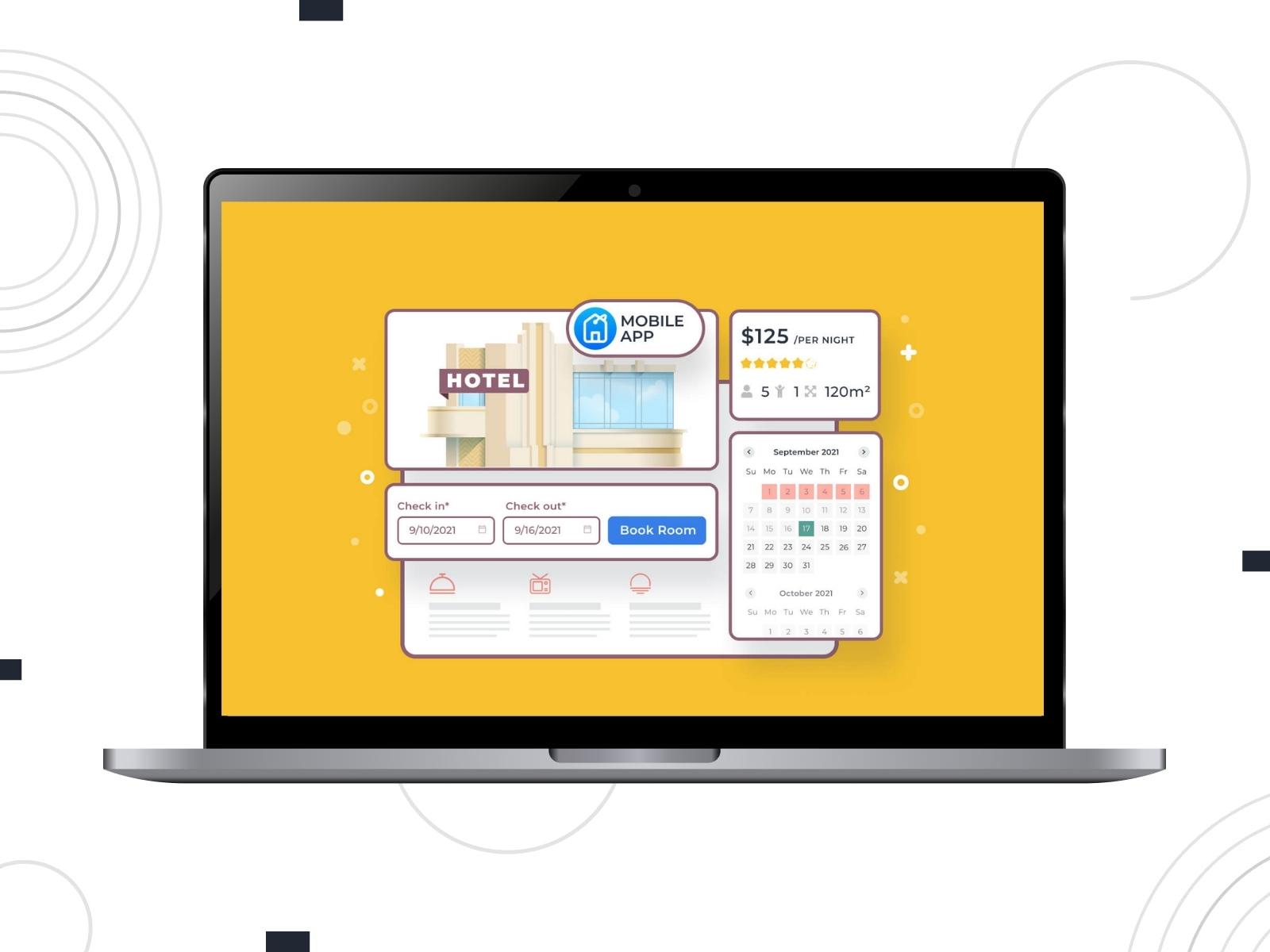
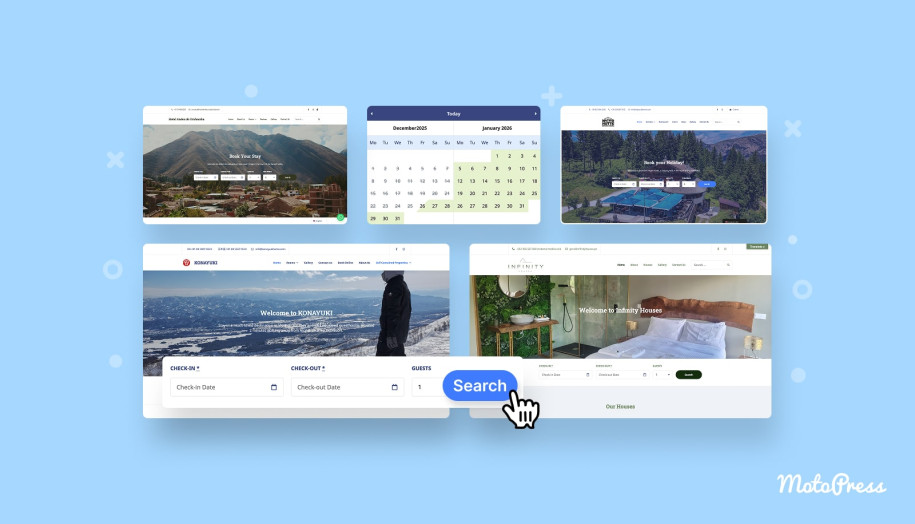
MotoPress Hotel Booking is an all-in-one property management and WordPress booking plugin. Built specifically for hotels, vacation rentals, apartments, villas, hostels, and other accommodation businesses, it offers a flexible set of pricing tools used for hotel room pricing strategies.
Some of its key features include:
- Support for unlimited accommodations and bookings;
- Detailed property presentation;
- Online & offline payments via PayPal, 2Checkout, Braintree, Stripe, or Beanstream/Bambora gateways;
- Seasonal and dynamic rate management;
- Discount coupons, taxes, and fees;
- Flexible booking rules;
- Centralized property management dashboard to handle pricing, bookings, and availability from a single calendar;
- iCal synchronization with OTAs, including Airbnb and Booking.com;
- Automated email notifications;
- CSV reports;
- A set of Hotel Booking addons to extend the plugin’s functionality.
More Details Start Free Trial Hotel Booking + 9 Addons Bundle
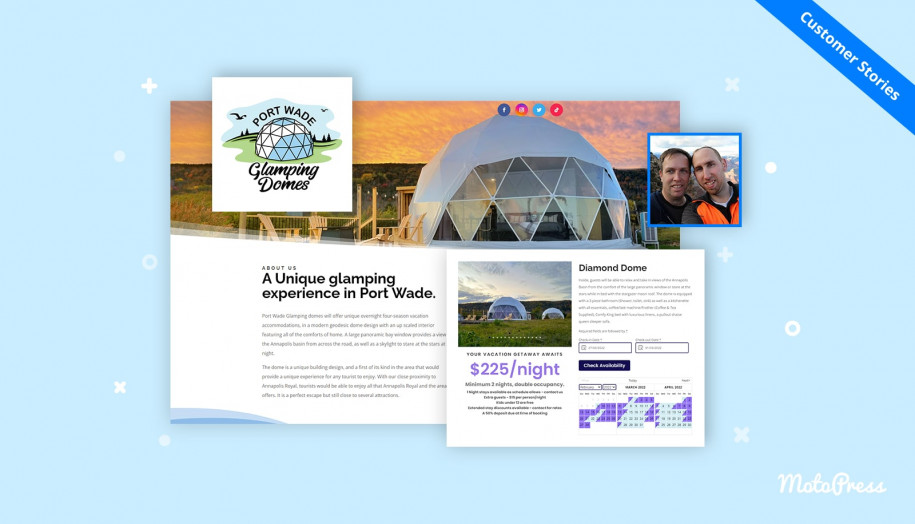
7 Best Dynamic Pricing Strategies in the Hospitality Industry
At this point, let’s explore strategies for setting up dynamic pricing in hotel industry websites!
1. Seasonal Pricing
What if your room rates stayed the same all year round? This way, you’re likely to miss out on revenue during peak periods and struggle to attract guests during slower ones. That’s why seasonal pricing remains one of the most common and effective dynamic hotel pricing methods. It means you need to adjust your room rates to match predictable changes in demand throughout the year.
Do you already have peak and low seasons? In dynamic pricing, a season isn’t limited to spring, summer, fall, or winter. Think even further! Here are just small examples of shorter periods: public holidays, festival weekends, or shoulder seasons.
How Does It Work in MotoPress Hotel Booking?
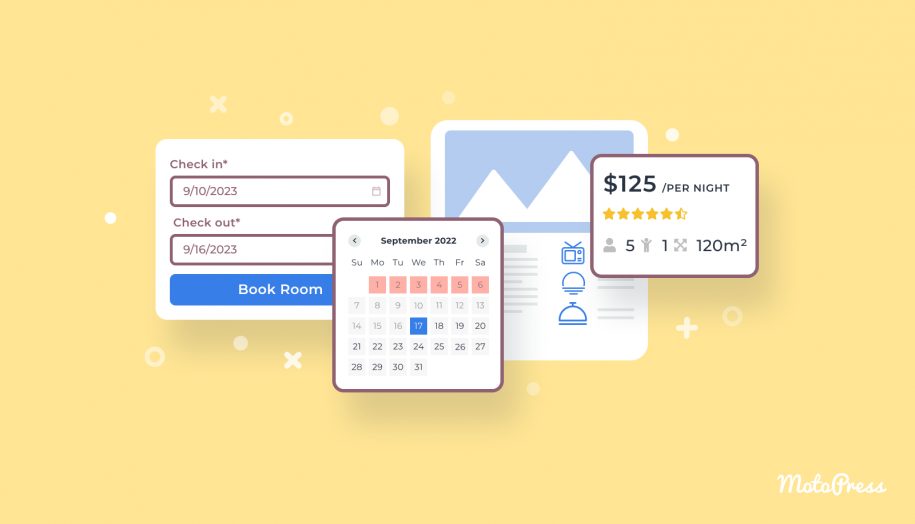
Easily. You can create unlimited Seasons for any custom date range and assign different rates to each one. It can be a few days, several weeks, or an entire season.
2. Daily Pricing
Sometimes demand changes too quickly. Instead of creating an entirely new rate plan, daily pricing lets you make targeted changes exactly where they’re needed.
How Does It Work in MotoPress Hotel Booking?
Do you need to adjust the price for a specific date in MotoPress Hotel Booking? It has a fast & easy solution. You can update daily rates right from your property management dashboard.
3. Length-of-Stay Pricing
Why encourage longer stays? Because they usually pay off. Longer bookings reduce turnover, lower housekeeping costs, and make occupancy much easier to predict. I also like offering a lower nightly rate for extended stays because it often increases the total booking value.
Bonus Tip: During peak periods, I’d take a different approach. Minimum stay booking rules let you avoid single-night gaps between reservations.
How Does It Work in MotoPress Hotel Booking?
With MotoPress Hotel Booking, you can create different price points based on the length of stay. Regarding duration, add weekly, monthly, or other rates. The system will automatically discount the properties according to your rate rules.
In terms of booking rules, you can also configure minimum and maximum stay rules for individual accommodations or specific seasons.
4. Per-Guest Pricing
Here’s how I look at it: more guests usually cause more work behind the scenes. Hosting four guests usually requires more utilities, laundry, amenities, and housekeeping than accommodating two. I find that per-guest pricing is one of the simplest ways to reflect those differences.
How Does It Work in MotoPress Hotel Booking?
The best part about this strategy? You can set it up on your WordPress website with MotoPress Hotel Booking. Configure per-person rates and extra guest fees to automatically adjust accommodation prices according to the number of adults or children included in a booking. We have a detailed video guide on our channel:
5. Early-Bird & Last-Minute Discounts
Do you like seeing bookings come in early? One of my favorite pricing strategies is rewarding early planners. If your destination has strong seasonal demand, early-bird discounts will help fill your calendar sooner and make future occupancy far easier to predict.
What if you still have empty rooms as the check-in date gets closer? No panic at all. Another rate strategy for hotels I would consider here is a last-minute discount. But remember to use it wisely. Just don’t overdo it. If guests start expecting last-minute deals every time, many will simply wait instead of booking early.
How Does It Work in MotoPress Hotel Booking?
If you decide on these discounts for your hotel room rate pricing strategy after all, configure early-bird or last-minute discount coupons via the minimum or maximum days before check-in options in the plugin settings.
6. Package Pricing
You’ve probably heard about how extra services can be profitable for your hospitality business. Does it really matter in terms of a pricing strategy for hotels? I’d say yes. Bundling accommodation with add-ons like breakfast, airport transfers, parking, or guided tours is a simple way to increase the average booking value.
Even better, these packages help your property stand out when guests are comparing similar room rates.
How Does It Work in MotoPress Hotel Booking?
Setting this up only takes a few minutes. Add free or paid services via Accommodation > Services > Add New. Then, decide how you’d like to charge for them – per stay, per day, or let guests choose during checkout.
7. Automated Dynamic Pricing
At some point, many hosts realize that managing prices manually takes more time than they’d like. Instead of focusing on guests, they end up spending hours updating rates, tracking competitors, and reacting to market changes.
Like with many other tasks, automation takes repetitive work off your plate. Use dedicated tools to automate dynamic pricing for hotel revenue management and keep property rates competitive across multiple accommodations or listings.
How Does It Work in MotoPress Hotel Booking?
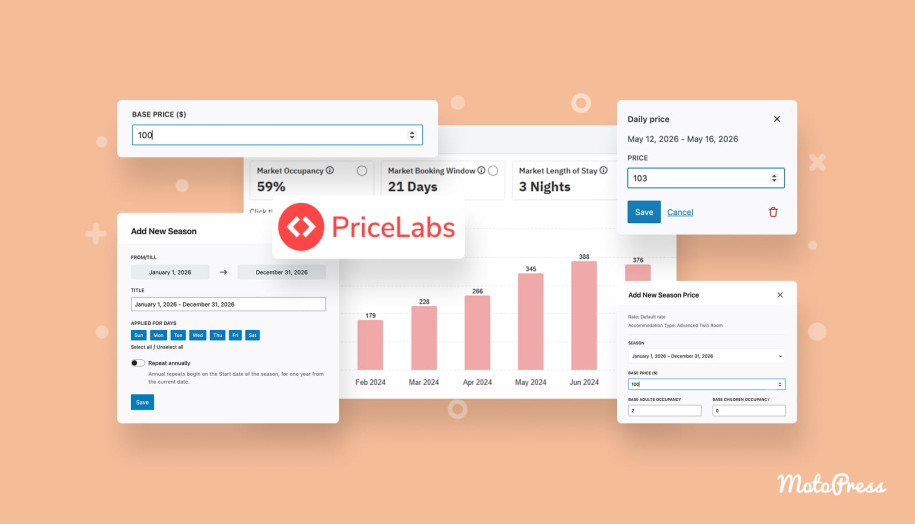
If you’re looking to automate pricing, PriceLabs is a trusted dynamic pricing hotel software. It integrates with MotoPress Hotel Booking via the dedicated add-on. Once connected, your website automatically receives the rates calculated by PriceLabs.
Are You Making These Hotel Pricing Strategy Mistakes?
Even the best hotel pricing strategy can fall flat if it’s not thoughtfully executed. Here are some of the most common mistakes I’d pay the closest attention to in hotel and vacation rentals management.
- Think your work is done once you’ve published your rates? Not quite. Demand changes, competitors adjust their prices, local events pop up, and booking patterns shift. Make it a habit to review your rates regularly.
- A discount can fill a room but it shouldn’t become your default strategy. I’d save discounts for specific occasions and special guests.
- Keep an eye on your local calendar with different events.
- It’s tempting to match the hotel down the street, but their business isn’t yours. So, use competitor prices just as a reference.
- Are OTAs getting all the attention? Would you book directly on your website if you were the guest? Think about what would convince you: a better price, free breakfast, flexible cancellation, or another exclusive perk.
- Your booking data has a story to tell. Are you listening? Monitor occupancy, ADR, RevPAR, booking lead time, and average length of stay to spot trends, measure what’s working, and make smarter pricing decisions over time.
What Are the Best Practices for an Effective Dynamic Pricing Strategy?

Here are a few best practices to make informed pricing decisions that balance occupancy, guest satisfaction, and profitability:
- Review your rates regularly.
- Combine multiple pricing strategies.
- Think about ways to increase the perceived value of your offer.
- Keep your pricing consistent across channels.
- Monitor booking trends, occupancy, guest behavior, and historical performance to identify patterns.
- Automate pricing updates and keep full control over your pricing strategy.
Final Thoughts
Every property is different, and so is every pricing strategy. If there’s one takeaway from this guide, let it be this: your strategy should evolve just as your business does.
Test different approaches, learn from your booking data, and don’t be afraid to adjust your room rates.
If you’re running your website on WordPress, MotoPress Hotel Booking makes it easy to put these strategies into practice. From flexible pricing and booking management to channel synchronization, you’ll have everything you need in one place.
Do you want to see it in action? Start your free trial and implement the best dynamic pricing hotel strategies for your property!
FAQ about Hotel Room Pricing Strategy
What is a hotel pricing strategy?
What is dynamic pricing in hospitality?
What's the difference between seasonal pricing and dynamic pricing?
Can small hotels use dynamic pricing?
Which pricing strategy increases hotel revenue the most?
Does MotoPress Hotel Booking support dynamic pricing?